Balancing Gainesville Lawn Care and Mosquito Control Around Irrigation
A thick, green lawn feels great under your feet, but no one wants to enjoy it while getting eaten up by mosquitoes. In North Florida, our humidity, frequent showers, and heavy irrigation can turn a pretty yard into a mosquito hotspot if we are not careful.
In this article, we will talk through how watering, mowing, and simple weekly habits can work with mosquito control, not against it. When you balance your Gainesville lawn care with smart mosquito control, you can enjoy those warm fall evenings in the backyard with fewer bites and less frustration.
How North Florida Lawns Attract Mosquitoes
Our local weather is perfect for grass and plants, and also pretty comfortable for mosquitoes. In Gainesville, St. Augustine, Palm Coast, and nearby areas, we deal with:
- High humidity most of the year
- Frequent storms and pop-up showers
- Sandy soils that drain fast in some places and hold puddles in others
All that water has to go somewhere. It often settles into low spots in the yard or around hard surfaces like walkways and driveways. Irrigation can add more moisture to those same areas. That creates shallow, still water, which is exactly what mosquitoes like.
Female mosquitoes lay eggs in places such as:
- Saucers under potted plants
- Clogged drains or gutters
- Low spots in turf that stay wet after the sprinklers run
- Water pooling around irrigation heads, valves, and along edges of patios
Lawn and landscape choices also play a role. Thick St. Augustinegrass that stays damp overnight, especially in shaded corners, can hold just enough moisture to give mosquitoes a place to rest during the day. Overgrown shrub beds and layers of fallen leaves create cool, hidden spots that stay moist and protected.
When you add in daily irrigation, the yard never really has a chance to dry out. That is when mosquito problems often start to ramp.
Smarter Irrigation That Does Not Feed Mosquito Problems
You do not have to choose between a healthy lawn and fewer mosquitoes. The way you water can support both.
First, timing matters. We usually suggest watering early in the morning. That gives:
- Time for the grass blades to dry during the day
- Less moisture sitting on the lawn at night
- Lower risk of disease and fungus in St. Augustinegrass
Watering in the evening keeps the turf and soil damp right when mosquitoes are most active. It also keeps puddles around longer.
Run times matter too. Short, shallow watering often leads to:
- Puddling around sprinkler heads
- Runoff across sidewalks and driveways
- Constantly soggy spots near patios or play areas
Longer, deeper watering on the right schedule encourages deeper roots and helps the soil take in more water instead of pushing it into low spots. That means fewer areas where water hangs around and attracts mosquitoes.
It helps to track down hidden water sources from irrigation, such as:
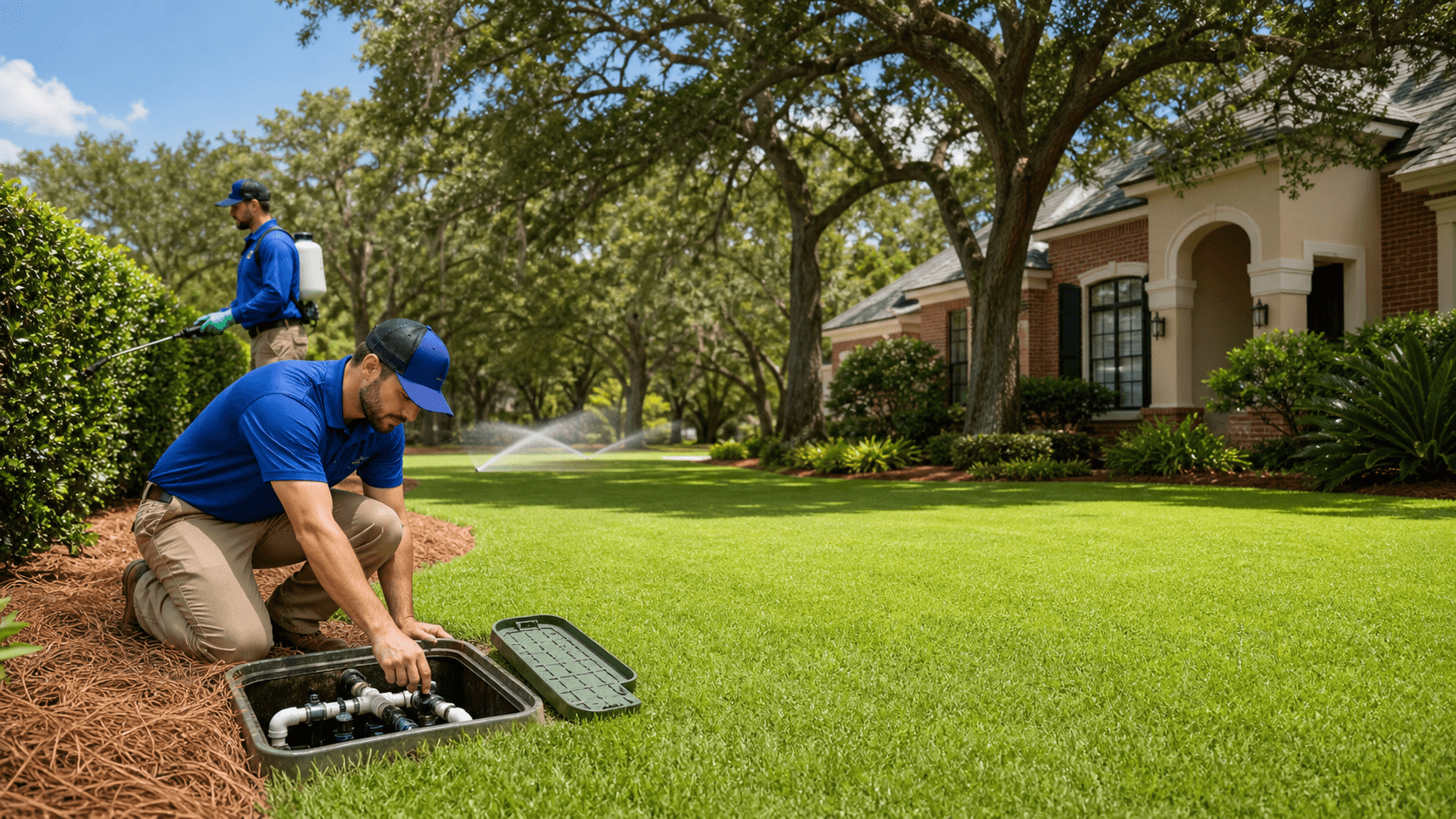
- Low or sunken sprinkler heads that always have a ring of water
- Misaligned nozzles spraying walls, AC units, or walkways
- Slow leaks at valves or pipe joints
- Overspray onto patios, porches, or play sets
With fall on the calendar, days are a little shorter and lawns in North Florida usually do not need as much water as they did in midsummer. Many controllers are still set for peak hot-season schedules. Dialing back the number of days and adjusting zones that stay wet can reduce standing water without stressing your turf.
Building a Mosquito-Resistant Landscape
The way your plants are laid out has a big effect on how quickly areas dry after rain or irrigation. Around patios, fire pits, and other gathering spots, it helps to choose sun-loving plants and layouts that let air move freely.
Good choices around high-use areas often include:
- Airier plantings instead of very dense hedges
- Beds that are raised or well-shaped so water runs off, not in
- Groundcovers or mulch that do not hold constant moisture against the house
Shade is not the enemy, but heavy shade that never dries can be a problem. Light thinning of trees and shrubs can let more sunlight and airflow reach the lawn. That helps grass blades dry faster and makes conditions less friendly to mosquitoes.
Simple maintenance goes a long way too:
- Regular mowing and edging so grass does not get tall and matted
- Blowing or raking leaves off the lawn and out of corners
- Clearing debris from beds and gutters that can collect water
- Trimming back overgrown plants that trap moisture and block air
These small steps break up the cool, damp hiding spots where mosquitoes like to rest during the day before coming out at dusk.
Professional Mosquito Control That Works with Irrigation
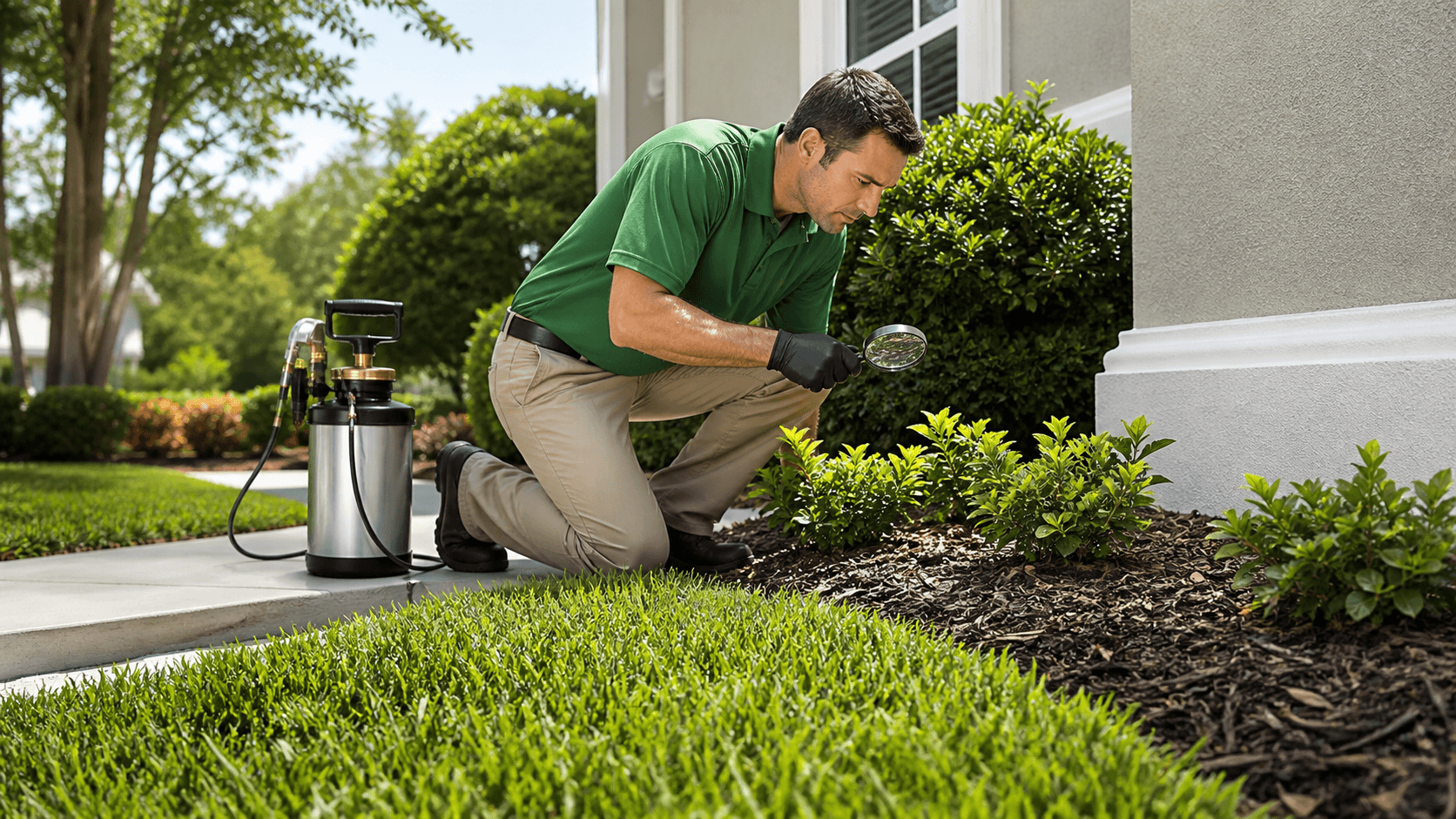
Even with careful watering and smart plant choices, many North Florida yards still need professional mosquito control to stay comfortable. At The Master's Lawn & Pest, we look at the whole yard, not just where you are getting bitten.
That includes paying attention to:
- Irrigation patterns and run times
- Problem zones where water always seems to sit
- Shade, plant density, and where people spend time outdoors
A good mosquito control plan often uses targeted treatments on the foliage where mosquitoes rest, such as the underside of leaves, hedges, and shady beds. In chronic wet areas that you cannot easily drain, larvicide options can help reduce mosquito development before they turn into biting adults.
Licensed professionals use products in a way that is focused and careful, with attention to kids, pets, and outdoor living spaces. The goal is to keep mosquito populations down while still supporting a healthy lawn and landscape. Regular, scheduled service also helps keep things steady, even when we go through a stretch of frequent rain or heavier irrigation.
Simple Weekly Habits That Cut Bites Fast
Along with smart irrigation and professional support, a few quick habits can make a big difference. A short weekly walk around your yard can help break the mosquito cycle.
Try a five-minute check to:
- Empty standing water from toys, birdbaths, buckets, and plant saucers
- Look for new puddles after the sprinklers run
- Notice any new leaks or soggy spots near irrigation heads or valves
Daily routines can help too. Moving pet water bowls indoors at night, turning off sprinklers near patios before evening get-togethers, and using box fans or ceiling fans in outdoor seating areas all make it harder for mosquitoes to land and bite.
If you are still seeing heavy swarms at dusk or getting bitten within minutes of stepping outside, that is usually a sign that yard habits alone are not enough. In those cases, pairing good irrigation practices with a professional mosquito control plan in Gainesville often brings the biggest and fastest improvement in comfort.
Protect Your Yard And Family From Mosquitoes
Take the next step toward a more comfortable backyard by letting our team tailor a proven mosquito control in Gainesville plan for your property. At The Master's Lawn & Pest, we focus on reducing biting mosquitoes where they actually live and breed so you can enjoy your outdoor spaces again. Reach out today and we will walk you through your options, pricing, and scheduling. If you are ready to get started, simply contact us and we will handle the rest.